
The First-Time Gun Buyer’s Checklist: What to Look for in a Pre-Owned Firearm
November 28, 2025 3:30 pm Leave your thoughtsBuying your first firearm is a significant step, and for many, choosing a pre-owned gun is a practical and economical way to begin. The used market can offer exceptional value, but it also comes with risks if you’re not sure what to look for. A first-time buyer might find the experience intimidating, but with the right guidance, it’s possible to secure a safe, reliable firearm without overpaying or compromising on quality.
This guide outlines the essential aspects you should consider before purchasing a pre-owned firearm. Whether you’re buying for personal protection, sport shooting, or collecting, understanding the key indicators of firearm condition and functionality is crucial. From legality and documentation to mechanical integrity, here’s everything you need to know before making your first purchase.
Understanding the Legal Requirements
Before examining any physical characteristics of a firearm, it’s important to understand the legal landscape. Buying a gun, especially a used one, requires compliance with federal, state, and local laws. These laws may differ drastically depending on your location, and ignorance can lead to serious consequences.
When purchasing from a private seller, ensure the transaction complies with laws that may require background checks or transfers through a licensed dealer. Some states prohibit private sales without a Federal Firearms License (FFL) holder facilitating the process. Always request to see the seller’s documentation, and never purchase a firearm without receiving proof of ownership and a bill of sale.
It’s also essential to verify that the gun hasn’t been reported stolen or used in a crime. You can request the serial number and run it through available databases or contact local law enforcement to assist in this check. These precautions are not only legal necessities but also safeguard you from future liability.
Assessing the Seller and the Firearm’s History
When entering the used gun market, reputation matters. Whether you’re dealing with a private individual or a licensed gun shop, do some background research. Reviews, references, or forum discussions can help you gauge a seller’s credibility. Avoid sellers who hesitate to provide clear photos, documentation, or answers to basic questions.
Understanding the firearm’s history is equally important. Ask about the round count (how many times it’s been fired), maintenance records, and whether any modifications have been made. While some upgrades can improve performance, others might compromise safety or void manufacturer warranties.
If the seller cannot provide a clear history or if the gun has passed through multiple hands without documentation, that should raise a red flag. A responsible seller will be transparent about the firearm’s background, including any previous issues or repairs.
How to Inspect a Used Handgun Before Buying
Perhaps the most critical part of purchasing a pre-owned firearm is the inspection process. Knowing how to inspect a used handgun before buying ensures you don’t end up with a malfunctioning or unsafe weapon. This step should never be skipped, regardless of how reputable the seller appears.
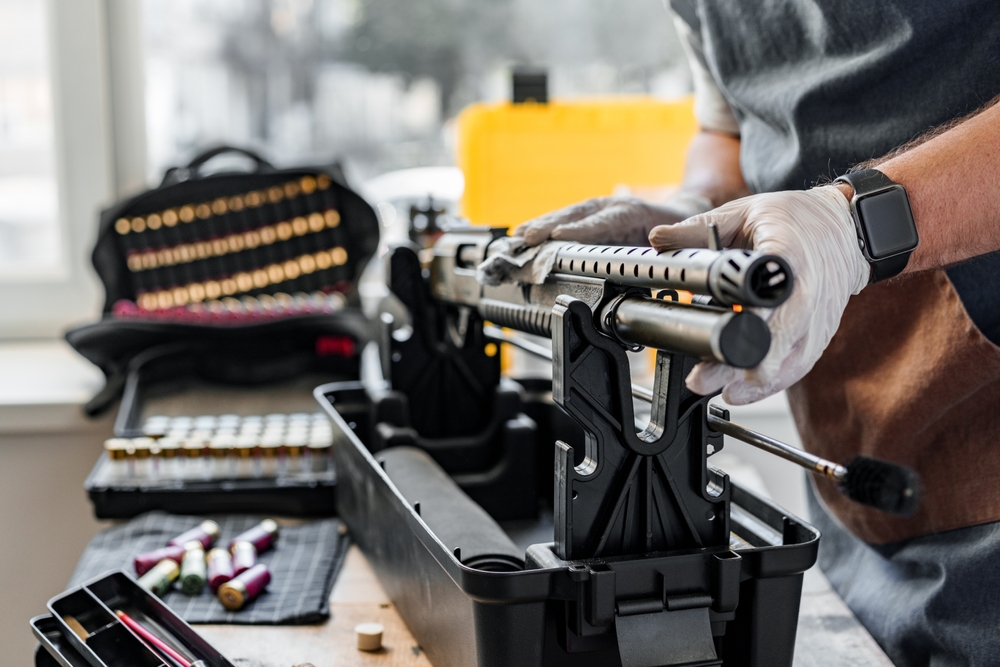
Start by examining the exterior. Look for visible signs of wear, such as rust, deep scratches, dents, or mismatched parts. Pay attention to the grips, screws, and sights, as excessive damage or misalignment could indicate rough handling or past accidents.
Next, check the barrel. Shine a light through it and ensure the bore is clean, with sharp rifling and no signs of pitting or corrosion. A damaged barrel can severely affect accuracy and safety.
Manually cycle the slide or action to check for smooth operation. There should be no grinding or hesitation, and all controls, such as the safety, slide release, and magazine catch, should function as intended. Dry fire the handgun to test trigger pull and reset, but only do this with the seller’s permission and after confirming the firearm is unloaded.
Inspect the frame for cracks or signs of tampering. Polymer-framed handguns can develop stress fractures, while metal frames may show hairline cracks near stress points. Don’t forget to remove the magazine and inspect it as well. A damaged or incompatible magazine can lead to feeding issues.
Finally, check for aftermarket modifications. Alterations to triggers, springs, or safeties may not be obvious but can dramatically change the firearm’s performance and reliability. Unless you’re experienced with these modifications, it’s best to avoid them when buying used.
Evaluating Fit, Feel, and Compatibility
Beyond mechanical soundness, your first firearm must be comfortable and compatible with your intended use. A gun that feels awkward in your hand or is too large for your frame will be harder to control and less enjoyable to shoot.
Grip comfort is a top priority. The handgun should sit naturally in your hand, allowing you to reach the trigger, magazine release, and other controls without straining. If possible, test-fire the model you’re considering, some ranges allow this, or at least handle it extensively before purchasing.
Consider your intended purpose. A compact or subcompact handgun might be ideal for concealed carry, while a full-sized model could be better for home defense or range shooting. The caliber also plays a significant role. While larger calibers offer more stopping power, they often come with increased recoil, which may not be ideal for new shooters.
Availability of ammunition and replacement parts is another consideration. Some discontinued or rare models may be difficult or expensive to maintain. Opt for well-known, widely supported brands that have a track record of reliability and are easy to service.
Price, Value, and Finalizing the Purchase
Understanding the market value of a used firearm helps prevent overpaying or walking away from a good deal. Research the specific make and model you’re interested in and compare prices across multiple platforms. Take into account factors such as condition, included accessories, and demand.
Remember that a low price may reflect hidden issues, while a high price doesn’t always guarantee quality. Ask what’s included, such as spare magazines, original case, or maintenance tools, and factor those into your evaluation. Warranties are rare with used guns, but some dealers offer limited guarantees or return policies.
If you’re buying from a store or FFL holder, they will handle the background check and necessary paperwork. For private sales, verify the process in your state. Insist on a bill of sale, including serial numbers, names, contact information, and date of transaction.
Consider having a gunsmith inspect the firearm before finalizing the deal. Many offer used gun evaluations for a small fee, which can provide peace of mind and a second opinion on condition and value.
Conclusion
Buying your first firearm is an exciting milestone, and opting for a pre-owned gun can be a smart financial move if approached carefully. The process requires more than just a cursory glance and a handshake; it involves legal research, seller vetting, thorough inspection, and honest self-assessment.
Knowing how to inspect a used handgun before buying equips you with the skills to identify wear, damage, or potential problems before money changes hands. It also helps ensure that the firearm you purchase is safe, reliable, and well-suited to your needs.
Whether you’re browsing online listings, visiting gun shows, or speaking with local dealers, the knowledge you bring to the table will directly impact the quality of your purchase. A used gun, when properly evaluated, can offer years of dependable service, making it a valuable investment for both protection and sport.
Take your time, ask questions, and don’t be afraid to walk away if something doesn’t feel right. The right firearm is out there, and with careful preparation, your first purchase can be a successful and confidence-building experience.
Got questions? Let us help! Contact us today to learn more about what we can do for you!
Categorised in: Guns
This post was written by admin