
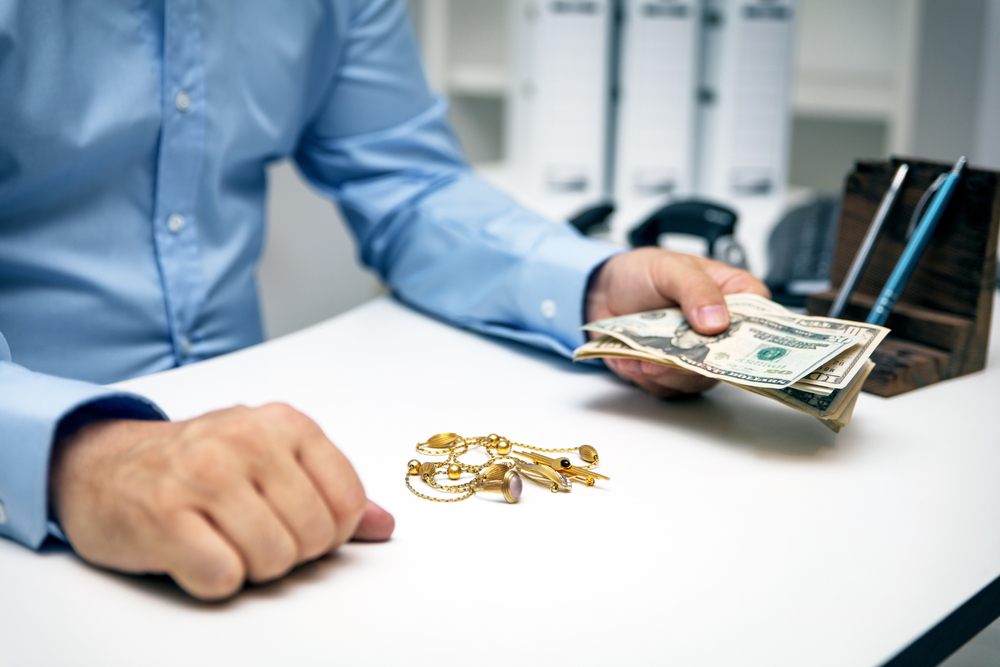
Inherited Jewelry? How to Decide Whether to Sell, Keep, or Loan Against It
June 23, 2026 5:22 pm Leave your thoughtsReceiving inherited jewelry can bring a mix of emotions and important financial decisions. Whether you’ve inherited a family heirloom after the passing of a loved one or recently discovered valuable pieces while settling an estate, knowing what to do next isn’t always straightforward. For families in Barberton, OH, taking time to evaluate each piece can help you make a decision you’ll feel comfortable with for years to come.
Quick Answer
The best decision depends on the jewelry’s sentimental value, financial value, and your current needs. Some inherited pieces are worth keeping as family heirlooms, others may be good candidates for selling, and some can provide short-term financial flexibility through a collateral loan while allowing you to retain ownership.
What Local Readers Should Know
-
Not every inherited jewelry item has significant resale value, but many deserve a professional evaluation before making a decision.
-
Estate settlements throughout Barberton and Summit County often uncover jewelry that has been stored away for decades.
-
A collateral loan allows you to borrow against qualifying jewelry while keeping the opportunity to reclaim it after repayment.
-
Family conversations before selling inherited jewelry can help avoid misunderstandings among relatives.
-
Local evaluations can help you better understand what your jewelry may be worth before deciding your next step.
Why This Matters Locally
Many families in Barberton inherit jewelry after settling estates or helping older relatives downsize. Whether the jewelry comes from a longtime family home in Barberton, a relative in Akron, or another nearby community like Norton, Green, Wadsworth, or New Franklin, each piece deserves careful consideration before making a permanent decision.
Sydmor’s Jewelry and Pawn Shop helps local families understand their options by providing professional evaluations in a comfortable, pressure-free environment. After this introduction, we simply refer to ourselves as we because our goal is to help you make the decision that works best for your situation.
Local Field Observations
One of the most common situations we see involves families bringing in inherited jewelry that has remained untouched for many years. Some pieces carry deep sentimental value, while others have been sitting in a jewelry box with little known history.
It’s also common for people to assume every older piece is highly valuable. In reality, age alone does not determine value. Materials, craftsmanship, gemstones, condition, market demand, and brand recognition all play important roles.
Option 1: Keep the Jewelry
Keeping inherited jewelry is often the best choice when sentimental value outweighs financial value.
Reasons to keep inherited jewelry include:
-
Family history.
-
Special memories.
-
Future heirlooms for children or grandchildren.
-
Unique craftsmanship.
-
Personal enjoyment.
Even if you don’t wear the jewelry often, preserving meaningful pieces can keep family traditions alive across generations.
Option 2: Sell the Jewelry
Selling inherited jewelry makes sense when the pieces no longer fit your lifestyle or when you would benefit more from the financial value.
Selling may be appropriate if:
-
You have no emotional attachment.
-
Multiple family members have agreed on the decision.
-
The jewelry no longer matches your style.
-
Estate expenses need to be covered.
-
You would rather invest the money elsewhere.
Before selling, it’s helpful to understand what factors influence the item’s value so you can make an informed decision.
Option 3: Loan Against the Jewelry
A collateral loan offers another option if you need temporary cash but are not ready to permanently part with your inherited jewelry.
With a pawn loan, qualifying jewelry serves as collateral for the loan. Once the loan is repaid according to the agreement, you can reclaim your jewelry.
This option may appeal to people facing:
-
Temporary financial challenges.
-
Unexpected vehicle repairs.
-
Medical expenses.
-
Home repairs.
-
Short-term cash flow needs.
For many people, a loan provides flexibility without requiring a permanent sale.
Factors to Consider Before Making Your Decision
Several questions can help guide your choice.
Does It Have Sentimental Value?
Some jewelry cannot be replaced because of the memories connected to it.
Do You Wear It?
If the jewelry has remained unworn for years, consider whether you realistically expect to use it in the future.
What Is Its Financial Value?
Professional evaluations help determine whether the jewelry has meaningful resale or collateral value.
Does Your Family Have an Interest?
Before selling inherited jewelry, it’s often wise to discuss your plans with close family members to avoid future disagreements.
Warning Signs You Should Have Jewelry Evaluated
Consider having inherited jewelry professionally evaluated if you notice:
-
Precious metals such as gold or platinum.
-
Natural diamonds or gemstones.
-
Antique craftsmanship.
-
Designer markings.
-
Estate jewelry from multiple generations.
-
Original boxes or documentation.
-
Pieces that appear handmade.
-
Jewelry you know little about.
Even pieces that appear ordinary may deserve closer inspection.
When to Seek Professional Guidance
Professional guidance is valuable when you are uncertain about your jewelry’s value or the best financial option.
An experienced evaluation can help you understand:
-
Metal content.
-
Gemstone characteristics.
-
Overall condition.
-
Current market demand.
-
Available options based on your goals.
Understanding these factors makes it easier to choose whether keeping, selling, or borrowing against the jewelry is the right decision.
Common Situations We See
Many inherited jewelry decisions fall into several categories.
Estate Settlements
Families sorting through estates often discover forgotten jewelry collections.
Downsizing Parents
Adult children frequently inherit jewelry after helping parents transition into smaller homes or retirement communities.
Divorce or Life Changes
Inherited jewelry sometimes becomes part of larger financial planning decisions during major life transitions.
Unexpected Expenses
Some individuals choose a collateral loan to manage temporary financial needs without permanently selling family heirlooms.
Prevention and Planning Tips
Before making any decision:
-
Organize inherited pieces.
-
Separate costume jewelry from fine jewelry if possible.
-
Keep any receipts or documentation.
-
Take photographs for your records.
-
Discuss sentimental pieces with family members.
-
Avoid rushing into a sale immediately after receiving the inheritance.
Taking a little extra time often leads to better long-term decisions.
What You Can Expect
A professional jewelry evaluation helps you understand your options without requiring you to immediately sell or borrow against your items.
Once you understand what your jewelry may be worth, deciding whether to keep it, sell it, or use it as collateral becomes much easier.
Common Mistakes
Selling Too Quickly
Taking the first offer without understanding the jewelry’s value may result in missed opportunities.
Assuming Older Means More Valuable
Age alone does not determine value.
Forgetting Sentimental Value
Financial value should not always outweigh family memories.
Skipping Family Discussions
Open conversations often prevent future disagreements over inherited property.
Common Local Scenario
A Barberton family is settling a relative’s estate and discovers several jewelry boxes that have not been opened in years. Some pieces become cherished keepsakes for family members, while others are evaluated to better understand their value. A few items are sold, and one valuable piece is used as collateral for a short-term loan during the estate settlement process, allowing the family to retain ownership after repayment.
Related Service Solutions
Inherited jewelry can often be evaluated for several purposes, including:
-
Selling unwanted jewelry.
-
Collateral pawn loans.
-
Estate jewelry evaluations.
-
Gold jewelry purchases.
-
Diamond jewelry evaluations.
-
Fine jewelry purchasing.
Our goal is to explain your available options so you can choose the solution that best fits your needs.
Comparing Your Options
| Option | Best For | Considerations |
|---|---|---|
| Keep the Jewelry | Family heirlooms and sentimental pieces | No immediate financial benefit |
| Sell the Jewelry | Items you no longer want or need | Ownership transfers after the sale |
| Loan Against the Jewelry | Short-term financial needs | Jewelry can typically be reclaimed after loan repayment according to the agreement |
Service Areas
We proudly assist customers throughout Barberton, Akron, Norton, Green, Wadsworth, Coventry Township, and surrounding Summit County communities. Whether you’re settling an estate or simply exploring your options, we’re here to help you make an informed decision.
The Cost of Waiting
Putting inherited jewelry away without understanding its value may delay important financial decisions or leave valuable pieces sitting unused for years. Learning about your options now gives you the information needed to decide when the time is right.
Frequently Asked Questions
Should I sell inherited jewelry in Barberton right away?
Not necessarily. Taking time to understand both the sentimental and financial value helps you make a more informed decision before selling.
Can I get a loan instead of selling inherited jewelry?
Yes. Qualifying jewelry may be used as collateral for a pawn loan, allowing you to borrow money while retaining the opportunity to reclaim your jewelry after repayment under the loan agreement.
How do I know if inherited jewelry is valuable?
A professional evaluation considers the metal, gemstones, craftsmanship, condition, and current market demand rather than simply the age of the piece.
What if I don’t know whether my jewelry is real?
That’s a common situation. An evaluation can help identify whether pieces contain precious metals, genuine gemstones, or are primarily costume jewelry.
Should my family agree before I sell inherited jewelry?
If several family members may have emotional ties to the jewelry, discussing the decision beforehand can help avoid future disagreements.
Can inherited jewelry be used as collateral in Summit County?
Many qualifying pieces may be eligible for a collateral loan, depending on their characteristics and value. An evaluation helps determine available options.
Is inherited jewelry common in estate settlements around Barberton?
Yes. Many families throughout Barberton and nearby communities discover jewelry while organizing estates, downsizing homes, or handling inherited belongings.
What is the first step after inheriting jewelry?
The first step is organizing the pieces and having them professionally evaluated before deciding whether to keep, sell, or borrow against them.
Make the Right Decision for Your Inherited Jewelry
Every piece of inherited jewelry tells a different story. Whether you’re preserving a family heirloom, considering a sale, or exploring a short-term loan, understanding your options helps you make a confident decision.
Ready to explore your options?
Categorised in: Jewelry Store
This post was written by admin